
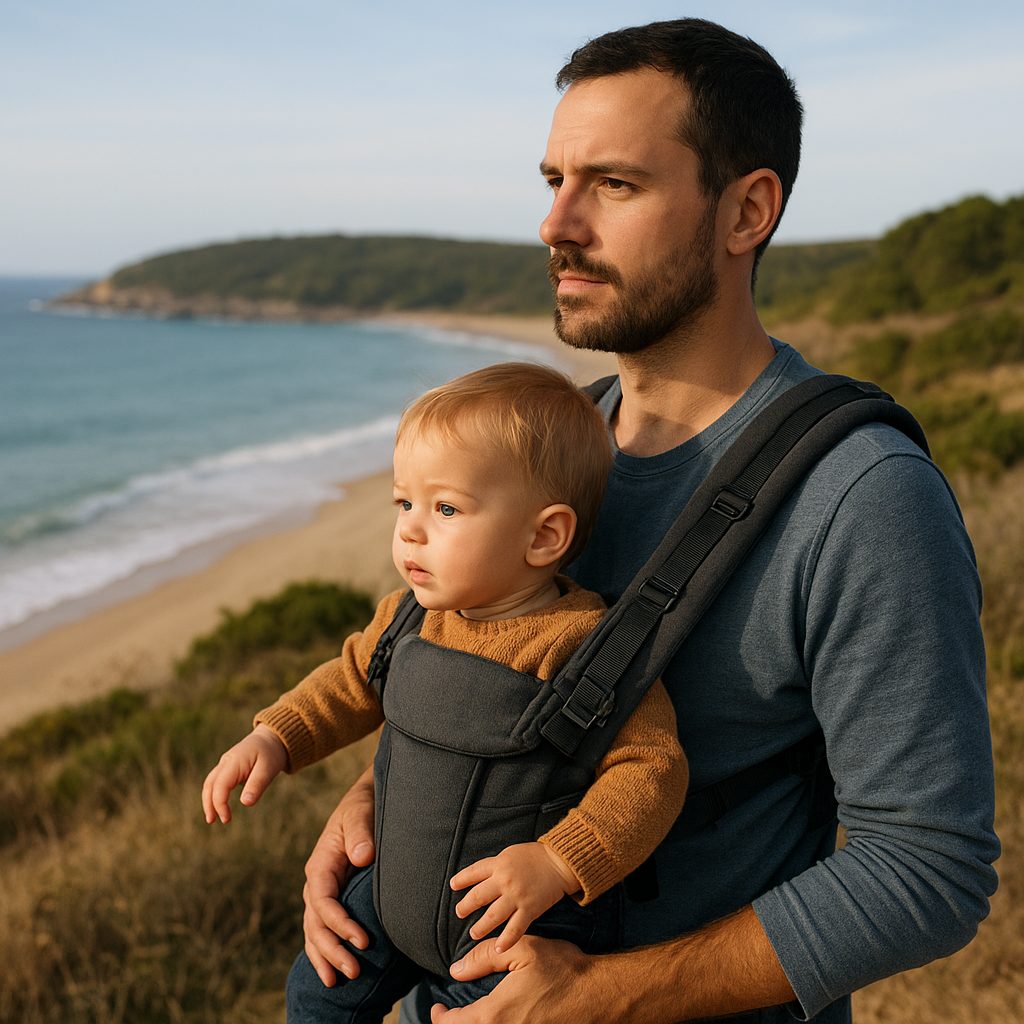
The most manageable places to travel with a toddler or baby make feeding, sleeping, getting around, and short outings easier to organize. Copenhagen, Singapore, and San Diego offer three different possibilities—not a universal ranking. The right choice depends on your departure point, season, budget, and child’s age. A nearby park and a room that works for naps may matter more than a long list of attractions.
What Makes a Destination Work With a Baby or Toddler?
This is an editorial shortlist, not a statistically scored ranking. Each destination is considered through the same six practical criteria:
- Stroller routes: Can everyday journeys avoid difficult stairs, surfaces, or transfers?
- Simple outings: Are parks, short activities, and indoor alternatives within reach?
- Accommodation: Can the room support feeding, sleep, and downtime?
- Seasonal conditions: How might weather and daylight affect the day?
- Arrival and transport: What needs arranging, and is a car likely to help?
- Everyday essentials: How far are food shops, pharmacies, and meals from the accommodation?
No destination removes all the work. Compare the full trip cost, including transport, useful room features, and cancellation flexibility—not just flights or the headline room rate.
Babies and Toddlers Need Different Things
For babies, feeding arrangements, an appropriate sleep space, changing facilities, and easy returns to the room often shape the itinerary. For toddlers, opportunities to move, playground access, short journeys, and activities that can end early become more important.
These are planning distinctions, not fixed developmental rules. Children differ in mobility, feeding, sleep, and tolerance for unfamiliar surroundings.
A useful test: if the main outing gets cancelled, can the family still have a manageable day close to the accommodation?
Compare the Destinations at a Glance
| Destination | Travel style | Baby-related planning | Toddler-related planning | Transport considerations | Main trade-off |
|---|---|---|---|---|---|
| Copenhagen | Compact city outings with parks and waterfront stops | Prioritize room location, feeding breaks, and practical stroller routes | Pair short sightseeing with space to play | Check step-free station access and the complete arrival route | Weather and seasonal daylight can reshape outdoor plans |
| Singapore | Green spaces and indoor outings organized around cooling-off breaks | Keep accommodation access and feeding arrangements central | Choose short active outings with indoor fallback options | Check station exits, walking connections, and vehicle arrangements | Heat, humidity, and rain require flexible timing |
| San Diego | Neighborhood-based park and waterfront days | Plan shade, changing stops, and convenient room returns | Allow active play and close supervision near water | Accommodation location strongly influences car needs | Widely separated plans can create too much driving |
Copenhagen, Denmark
Why It May Suit Families
Copenhagen suits a plan built around small outings rather than a packed sightseeing circuit. VisitCopenhagen’s guide to the King’s Garden identifies a central green space that can anchor a simple park visit. The official Nyhavn guide offers a waterfront option for a separate short outing.
Neither needs to become an all-day commitment. Choose the outing closest to the accommodation, allow a feeding stop, and leave before everyone runs out of patience. Check current family activities through VisitCopenhagen’s official destination guide, rather than assuming every attraction suits both ages.
What Changes With a Baby Versus a Toddler?
With a baby, accommodation location can matter more than proximity to a famous sight. Check the actual stroller route, feeding options, and whether returning for sleep requires awkward transfers.
With a toddler, leave room for movement. A park visit may be the main activity, not a gap between attractions. Keep waterfront sightseeing brief if the child would rather walk, and maintain close supervision beside the water.
Logistics and Trade-Offs
- Getting around: Check lifts, station access, construction notices, and the final walk. A usable station does not guarantee a convenient route to the room.
- Accommodation: Confirm lift access, room layout, cot or crib availability, refrigeration if needed, and nearby groceries.
- Weather: Seasonal daylight varies, and wind or rain can shorten an outing. Review forecasts and daylight hours for your dates.
- Arrival and essentials: Compare the complete public transport journey with a prearranged transfer. Choose a base near food shops and an indoor fallback.
The main limitation is reliance on outdoor plans. Keep a currently open indoor option nearby, checking admission rules and stroller arrangements before setting out.
A Simple Half-Day
After feeding or breakfast, visit the King’s Garden for an unhurried stroll or play break. Stop for food when needed, then return to the accommodation for rest. Save Nyhavn for another outing rather than adding it automatically.
Singapore
Why It May Suit Families
Singapore offers green-space outings alongside indoor activities, useful when the day needs several breaks. Singapore’s official visitor guide provides a starting point for choosing an area rather than assembling a citywide checklist.
Gardens by the Bay’s official website details its gardens and conservatories. Select one part for an outing, checking its opening arrangements and ticket requirements. The National Museum of Singapore is a possible indoor alternative; check current gallery access, facilities, and opening notices before relying on it.
The aim is not to squeeze both into the same morning. Choose an outing that leaves an uncomplicated return to the room.
What Changes With a Baby Versus a Toddler?
With a baby, plan feeding, cooling-off breaks, and sleep before choosing attractions. Confirm where breaks are possible instead of assuming every venue has the same facilities.
With a toddler, prioritize a short opportunity to move, followed by rest somewhere comfortable. Check whether a particular garden area or indoor exhibition suits the child’s interests; a famous attraction is not automatically an engaging one.
Logistics and Trade-Offs
- Getting around: Check station lifts, suitable exits, and the entire walking connection. Avoid assuming the shortest map route is the easiest with a stroller.
- Accommodation: Look for straightforward access to food, transport, and indoor breaks. Confirm sleep space and feeding-related facilities directly.
- Weather: Singapore has a tropical climate with heat, humidity, and rainfall throughout the year, as described by Meteorological Service Singapore’s climate guidance. Check current forecasts and warnings before outdoor outings.
- Arrival and essentials: Verify luggage space, stroller handling, and any necessary child-restraint arrangements with the transport provider before booking.
The trade-off is that an outdoor-heavy schedule can become uncomfortable. Plan around breaks, not around completing a list, and avoid long uncovered walks simply because two places look close on a map.
A Simple Half-Day
Visit one selected area of Gardens by the Bay when conditions suit the family. Include a feeding or snack break, then return for rest. If outdoor conditions are unsuitable, substitute a checked indoor visit, such as the National Museum, rather than adding it to the original plan.
San Diego, California
Why It May Suit Families
San Diego can suit families who choose one area and keep daily plans local. The San Diego Tourism Authority’s Balboa Park guide describes a park setting with gardens and cultural attractions. That offers scope for an outdoor visit with a separately checked indoor option.
For a waterfront-focused stay, consult the official Mission Bay guide. Choose a specific starting point and inspect the route, rather than treating the whole waterfront as one interchangeable outing.
A beach destination is not automatically easy with a small child. Sand, sun exposure, equipment, and changing arrangements add work that a short waterfront walk may avoid.
What Changes With a Baby Versus a Toddler?
With a baby, prioritize shade, feeding and changing access, and a manageable journey back to the accommodation. Verify sleep arrangements and identify suitable breaks before leaving.
With a toddler, a short park visit may work better than a lengthy attraction day. Check active-play options near the chosen base, and allow close supervision around water. A waterfront path should not be treated as an enclosed play space.
Logistics and Trade-Offs
- Getting around: Check surfaces, crossings, gradients, and the distance from parking or transit to the actual outing.
- Accommodation: Choose the neighborhood before choosing attractions. Confirm room layout, feeding facilities, and access to meals and groceries.
- Weather: Review seasonal conditions and the local forecast. Check shade and shelter at the specific place rather than relying on a general impression of California weather.
- Arrival and essentials: Compare staying local with renting a car. Confirm child-restraint requirements through official guidance and availability with the provider; do not assume a taxi or rental includes the right seat.
The main trade-off is distance between plans. A car may expand the options, but loading equipment and making repeated journeys can consume the day. A waterfront walk and a beach day also need different preparation: the latter requires closer attention to water conditions, shade, changing, and carrying gear.
A Simple Half-Day
Choose one section of Balboa Park for a stroll and movement break. Have a snack or feeding stop, then head back for downtime. Consider an indoor venue only after checking its suitability and entry arrangements—not as an obligation to extend the outing.
How to Choose the Right Destination for Your Family
Lists of the best places to travel with babies are useful starting points, but the journey and accommodation can change the answer.
- Set a realistic travel limit: Include connections, airport waits, onward transport, and time-zone changes—not just flight duration.
- Identify daily priorities: These might be feeding facilities, room returns, or space for an active toddler.
- Compare accommodation locations first: Examine the actual surroundings before comparing attractions.
- Check transport: Review stroller access, transfers, and any necessary car-seat arrangements.
- Find simple nearby outings: Look for something enjoyable that needs little preparation.
- Review seasonal conditions and flexibility: Check cancellation terms and options for changing plans.
Searching for baby friendly places to travel does not have to end with a long-haul booking. A nearby destination with suitable accommodation and familiar transport may fit the family better than an internationally famous recommendation.
Before You Book: A Practical Checklist
- Confirm an appropriate sleep arrangement directly with the accommodation. Ask the child’s clinician about individual concerns and consult relevant official sleep guidance.
- Verify any necessary kitchenette, refrigeration, or feeding facilities.
- Check laundry access for longer stays.
- Request the actual room layout; “family-friendly” does not guarantee separate sleeping space, a crib, or high chairs.
- Arrange transport from the arrival point, including necessary child restraints.
- Check stairs, lifts, entrances, and stroller access.
- Locate food shops, pharmacies, and medical services nearby.
- Recheck seasonal closures, opening hours, and booking requirements.
- Review current entry requirements and official travel advice for each traveler’s documents and circumstances.
Destination pages and services can change. The linked resources are planning starting points, not confirmation of current facilities or policies. Recheck official information and accommodation details before committing.
FAQ
Is a City Break or a Beach Holiday Easier With a Toddler?
It depends on the base. A city stay may offer nearby meals and parks but involve stairs or busy crossings. A beach stay may reduce daily travel yet require more planning for shade, sand, and water supervision. Compare everyday access, not the holiday label.
Is It Better to Stay in One Place With a Baby?
One base reduces packing, transfers, and repeated room setup. It can make feeding and sleep arrangements more predictable. Multiple stops can still work when journeys are manageable and the benefit outweighs the extra logistics.
How Many Activities Should You Plan Each Day?
Start with an outing that can be shortened, then leave space for feeding, naps, and downtime. Add something only if the day is going well. There is no activity count that suits every child or every stage of a trip.